From Zero to $120M: Event Founders Spill Their Secrets!
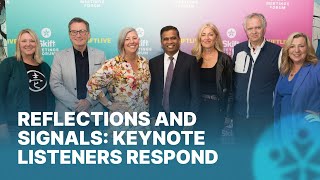
In a candid discussion, two trailblazing event founders, Cassandra Farington of MJBiz and Robin of RacquetX, revealed the strategies and sacrifices behind building highly successful industry events from the ground up. Their journeys, though distinct, underscore universal truths about community, adaptability, and the relentless pursuit of human connection in business.
“The highs are so high and the lows are so low. And I just I like I knew that. Like, oh yeah, I know. I'm I'm built for this. Like, like I could do this. Well, let me tell you. Um I was humbled.”
- Andrea Doyle, Executive Editor at Skift Meetings
Uncover the raw truths of launching and scaling industry-leading events. Two visionary CEOs share their journeys from initial concept to massive success, including a $120 million exit. Learn how community, outsider perspective, and adaptability are crucial.
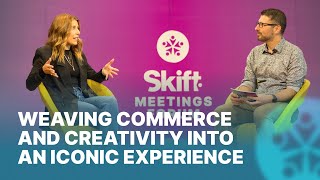
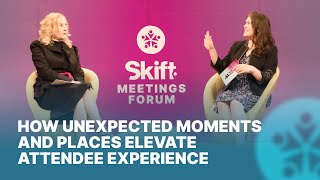
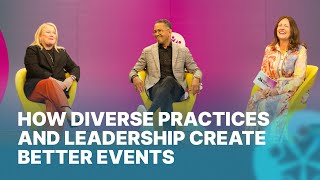
Well, I hope everyone had a great break and now we are joined by two wonderful event startup CEO entrepreneurs and this is going to be a great conversation. So, just as a little background, Robin started Racket X two years ago. It was in Miami. She gathered 2,000 people back to Miami this year. Gathered 4,000. >> Yeah, a little over. a little over 4,000 and um next year we'll be in Fort Lauder. Now, Cassandra Farington is the founder of MJ Biz. It started in 2011 as a newsletter. The following year she created an event that went on to sell out the Las Vegas Convention Center and sold it in 2021 for $150 million dollars to Emerald. >> Yes.$120. >> And here we have our two CEO entrepreneurs and it's going to be a great conversation. So I wanted to start by talking about
the fact you both created communities for your industries that you were involved with. So how important is building community? I for at least as far as MJ Biz went but I just philosophically I think community is really at the heart of anything that we do as event or content in whatever format that content takes. um you know without that community coming together without having that glue that finding that common thread for all of the people involved then I think you're kind of a ground you you haven't even gotten out of the starting gate. >> Okay. >> Yeah. I think honoring like what that community is about is really important. So I think sometimes people come in and think well I know better than the industry at hand. Uh if I build it they will come. And I I just don't believe that to be the case. I think that you have to really integrate yourself into who they are, what they're about, their persona, um their behaviors, and then build what you to help create and and continue fostering that community. What do they uh need and what are they telling you they need and what don't
they know they need yet? >> And what I found interesting is Robin, you were a basketball player, not a racket, >> correct >> player. And Cassandra, you weren't vested in the cannabis industry until you started MJ Biz. So, do you feel as outsiders looking in it gave you an advantage versus being someone vested in the industry from day one? >> Uh, 100%. Although I feel as though I'm a liability sometimes, the fact that I'm not some phenom in racket sports. Uh, what I think was uh valuable and and that the industry embraced was that I was an outsider. Um, a lot of the folks uh kind of grew up playing. They went to college. They continued their careers afterward. They moved throughout the industry. So, there's very few new people coming into it. Uh, and I think that they appreciated someone who has been in an event, you know, in a different industry from from them, but in one that could help them grow uh was embraced. So, I I feel very lucky that I uh didn't throw me out. >> Okay. Yeah. And this I this ties directly back to you conversation we were having a moment ago about community and Robin what you were saying about you giving people what they don't even know that they need yet. For us with MJ Biz, we didn't know anything about the cannabis industry when we started, but we knew how to teach people about business. And at that point back in 2011 when we started the newsletter, the cannabis industry was either black market dealers honestly who were you know now were able to open up a dispensary a storefront somewhere or they were coming from the caregiver and the you know altruistic side of the industry neither of which is a traditional business background. So we came at it from the standpoint of we can help you understand how to keep your inventory straight, how to run your accounting books, how to keep, you know, up to date with the regulations that the state keeps changing on you and gave them that thread of what they didn't know they needed until suddenly they did. >> Okay. >> Okay. So you have said Cassandra that you one
of the keys to your success was that scrappy startup mentality. So then you're sold to a company like Emerald that owns a 100 trade shows. What happens to that mentality? >> Well, so to any entrepreneurs in here, you know, I think many of us understand that when you sell your business, you're selling your business and so what happens to it after that is completely out of your control and you have to be at peace with that when you when you sign on the dotted line. So which I am all good. um a at the time by the time we sold it the cannabis industry had become much more professional u much more um sophisticated in large part because of you know the influence that we provided we helped bring it along to that point. So it was honestly was already at a point of needing to change that personality a bit anyway. Um, and while keeping connected to its roots, which are entire staff, our entire staff except for myself, my husband who was our IT guy, and my business partner, all the rest of the staff went with the business. Nobody lost their job. They all went over to Emerald. Um, and so we did keep that throughine for a number of years with MJ Biz. Um, and you know that said, right, like people who work in a small scrappy startup environment are not necessarily the right people to work for a big trade show or a big trade show company. That sort of corporate environment does not always fit with for everybody, which again is fine. You know, you get everyone was able to find their own transition into whatever came next for them. I was the complete opposite side of the coin. Uh I started you know always been scrappy but I started at UBM. So if I'm dating myself uh if we remember you know the artist formerly known as UBM and it's many iterations before that CMP and and all the things. Um so you know I felt like I was always in a very entrepreneurial role or at least put in a very entrepreneurial role uh in a large corporation but I I never felt like I fit in. uh I was always fighting against wanting to do more and and have budget to to improve experience and do different things and and I felt in my like soul that I was not able to build what I wanted to truly build. So I mic dropped you know years ago and then you know kind of found myself in this situation now. So, but the scrappiness never really left. But uh I mean it's it is night and day in terms of uh you know of of what that role really looks like.
>> So that brings up the question private equity is investing in shows more and more and there is the risk that shows will become homogenized. Do you feel that can be the case? >> Yeah, 100%. I think and I think it goes back to part of that community and serving that community piece of it. If you don't if you just, you know, templatize, you know, launching, uh, especially in in in a new area, I think you lose the essence and the magic of of what you're truly trying to build put to life. Like, we all build moments, uh, no matter where you break it down into P&L and you splice and dice things. I mean, we're still serving industries and people and creating moments for them. And if that become if that goes away, um, you know, anybody can can do what we do. But I think we're human to we're creating humanto human experiences. It's not B2B. It's not B toC. It's it's it's businesses and and human to human. And I think without that piece of it, I think private equity and and investment firms can really kind of suck the life out of it. >> And I'd like to remind you in the audience, we have two amazing entrepreneurs here. If you have any questions, feel free to put them in the app and I'll try to get to them at the end. So, um, another question I had has
to do with creating a mustattend event in a really crowded calendar. >> Obviously, you did that with MJ Biz. It eventually sold out the Las Vegas Convention Center. How did you do that? It it was because from the get-go, what we did was create a place for all of these people who were working in these silos all around the country, whether it was a silo of their state because each of these cannabis markets are state regulated. So, if you're doing business in California, you pretty much cannot do business with somebody in Massachusetts, like by regulation and by law. Um, but there's a lot you can learn from each other. Um, so there there's those sorts of silos, but then there's also, you know, the the cultivators and then the HVAC manufacturers and the, you know, dispensaries and the retail specialists, you know, all of these uh different segments of the marketplace. And so we created an environment where they all of those professionals, all the people in the executive levels of those companies could come together in a place that was very conducive for doing business. There were other cannabis festivals. There were other, you know, places where, you know, they were doing cannabis competitions and things like that. None of which is a conducive business deal making environment. And so we created this platform that was very professional. Um, very it it looks just like every other trade show genuinely. You know, people think like I'm going to go, you know, pick up some samples. No, you're not. you kind of like I'm not going to say there aren't samples there but there are not supposed to be samples there. Um and so you know we we've worked very hard for that >> okay >> side of slice of the market. Yeah, for
us when we, you know, we first started diving into like a business plan, it was B, this is going to be a B2B show. This is a B2B show. And then when we started to talk to the industry, you know, there was this magic of play um and creating an environment where the folks who were in the businesses also played all of these sports for for you most of their career, if not one, if not many of them. Uh, and it became, you know, as we spoke to many of the brands, it was, you know, we wanted to be able to demo things and actually try stuff out. So, you know, if we were going to be building courts and like putting all this effort into building stuff, we might as well make it consumer friendly as well and see what happens. So, we were able to join this in this festival like environment um, B2B TOC, which then, you know, it brought that spark that people we we brought tried to bring out what people love about what they do. So, it's not about what we do, but you know, they they love being in the racket sport industry, whether they're in nuts and bolts and lighting, court building. There's some really unsexy parts of this business. Um, but they all came together because they played and that was their common denominator across all of it. So, like, you know, I always try and look at like what's the common thread that brings them all together and then how do you maximize that? So in turn that turned into a nightmare for for me but it was you know last year and year two we built 12 courts um by 12 different court manufacturers and if you look up p a de paddle like it's not an easy build in three days and we built five of those courts. So but but the the point was that everybody whether you were complaining about pickle ball taking over tennis courts or whatever that was everybody came together to play. So that was the that was like the magic of the community that we were able to pick. >> So we have a room full of event leaders
here and I'm sure you all have ideas of your own or events that maybe one day you would like to start. What would be a piece of advice you can offer everyone? >> Don't do it. >> Just kidding. Just kidding. >> Yeah, Robin and I actually spent a good bit of time just out in the >> I cried and I was having No. Um it's it's hard. Yeah. Not gonna lie. It's it's a it's a it's a road that is tough. Um and it it helps to have friends and people who understand um support wherever you can find it. But yeah, I mean it's 100% worth it, you know, whether or not your event ends up, you know, exiting for $120 million >> or or not. But like we were even just talking about like it's just we've all had that high of an of a successful event and seeing those serendipitous meetings happen on our show floors and understanding at a very visceral level what we are creating within our own companies and within the communities that we're serving and there's nothing like it. The highs are so high and the lows are so low. And I just I like I knew that. Like, oh yeah, I know. I'm I'm built for this. Like, like I could do this. Like I ran like not not a this isn't this is that's not going to get me. Well, let me tell you. Um I was humbled. Um it's that it's just extreme. I remember opening the like the first day of the first event. We had not many people know this. We had like we we were hoping for 2,000 people, right, just to like like with a pulse to like walk through that door, right? And um we had like 900 people registered the night before we opened the show. And and like we had Oh gosh. What? Vinnie, you were there. We we had what likeund like 20,000 square feet. You can imagine like the like I was medicated like it was >> it was a long road. >> Were you medicated by consumers product? prescription hard prescription drug, but um I don't know what happened, but something happened and we ended up with 2,000 people and I I don't know exactly, but like the the dread that I felt that night before to when the doors opened and I was like, "Oh my gosh, there's people. There's people." Um is amazing. And then all of the bumps along the way. I mean it is it is worth it because you
know that you've created something that even like one little email of someone who's like we connected and I started doing work for them and we ended up building this great thing like I think that's in the end why we do what we do is to create a handshake a hug a moment whatever that is and like that makes it worth it. I think >> it does it makes it makes it 100% worth it. at MJ Biz, you could very clearly see a progression of somebody who came to the show the first year, possibly registering under an assumed name um because they didn't want to, you know, really be out there, but coming and being like, "Oh, wait, no, this is this is not like a a smokefest. This is a real thing." That person would be back the next year attending every single education session looking for a business partner. They'd be back the next year with a business partner and a plan, looking for an investor. they'd be back the next year as a 10 x10, right? And you could see this progression of this entire industry through the show. And I was talking to to Walter actually earlier today about how this what we do in the event space. It is a bellweather of of how an industry is doing. And I know we all realize that, but it's it's important every now and then to keep our heads up and remember that, you know, when our show is doing well, when racket sports is growing, it is an indication that racket sports in the in the country in the world is a growing and active and vibrant and healthy industry, right? >> Yeah. >> And you know, and when our shows are are hitting rough times, that's probably a pretty good indication that there's other macroeconomic forces in play. And and I think it's it's important to note no matter what you do you own the event work on whatever it is like I just iterate like don't just be so bullheaded
that like this is the plan like I put this business plan together and this is the path forward. I think that that's >> like it's it's a bit foolish like listen as much as you possibly can and I mean that's I'm in this mode right now. We're going into year three and we need to be profitable this year. Um, and uh, it is okay. We like let me really listen and maybe we need to make some major adjustments and we need to make some tweaks and we need to iterate and I think that that's okay. It doesn't mean anyone was wrong or they made a mistake. I think that that's being very smart at what we do. >> Why the switch to Fort Lauderdale?
>> You baited me on that one. >> Um, well, several reasons. Uh my politically correct answer is that we um uh uh it's easier for our attendees to get in and out of uh the convention center. There's a hotel attached to it currently and that it is a bit closer to the Miami Open. The real answer um >> it stays between us. >> Yeah. Yeah. Yeah. Um Vegas rules uh you know um I don't believe and this is a whole soap box that I could take a lot of time on but I won't. I I just I think that uh in the trade show convention space that I don't think it's very conducive to startups uh personally or to to smaller events and startups. I think that the big guys have preference uh because they sell lots of room nights um for the city. And I get that that's how it works. Like it's it's pretty black and white. The amount of room nights in Miami that you you can um attribute to your event, you are rated and you're either the top tier, you're two or three. And we were the we're the bottom of the barrel. We have a lot of Florida people who come. They stay with friends. They stay in Airbnbs. There was no way to really attribute a lot of our economic impact. Um, and we didn't get dates. So, we we lost our dates before the show uh because another large show wanted to come in. So, um that's the soapbox. Um but we're very happy and I think it was a blessing in disguise that we're in Fort Lauderdale and we're very happy to be there and we love Miami >> except for that. >> And Cassandra, you always were in Vegas.
Well, uh, we weren't actually. We started in Denver. We started in a Masonic lodge in Denver because that was the first place when we, you know, went knocking on doors and like, "Hey, we want to have a cannabis show." And I'm so sorry, no room at the end for you. Um, so that we started at a Masonic Lodge in Denver and then we went to a racetrack outside Seattle and then we went to the Rio. Um, and uh, the Rio gave us a three-year contract in Vegas and at the end of those three years, we were big enough that we went into the convention center at that point. Wow. >> Um, Robin, you have said that year one taught you that you probably should have hired slower and fired faster.
>> Yeah. >> I was curious to hear more about >> biggest piece biggest takeaway of my life was I should have hired slower and fired faster. Um, I mean, I think I turned over the entire team. There's a couple there's some OGs that have have stood the test of time. Everybody else was turned over like twice. Um, I just for me it's like we're going to run at this certain speed. Uh, you're either on board or you're not. And I could tell if you're on board pretty quickly, but I just was like hoping that maybe they'd get it or I was just like maybe it's me. Maybe it's it's not you, it's me. Um, and I and I held on to hoping for people and in a startup when time is like all we we you know the show ex product exists three days out of the year. Uh, leading up to it is critical. Um, I wasted a lot of time with some with not the right people. >> We went through that too. Actually, of ours was more like right pre- pandemic. I was trying to transition out and we staffed up to support the person who was going to be succeeding me as CEO and we overstaffed and then we went into the pandemic overstaffed and >> unpredictable results. >> We were like, we're okay, we're to start this and it's April almost May and and the event's going to be in March of next year. like we had less you're like I was like okay you want to do marketing cool you want to do this and I just was like whoever was like in front of me and it was not don't do that >> so um if there are people in the audience who do want to start an event are there any resources you could recommend that they reach out to oh no they're laughing because of that
um we uh you know specific resources no I'm not gonna like I can't you know name I think it's I think the community right like the events community is huge >> right like just lean on the people around you find friends find a couple of trusted people to just you know workshop it with it doesn't have to be a big time commitment on the on the part of those people just somebody to kick tires and tell you what you're missing and yeah I mean just just lean on the people around you there are amazing resources and I do think that the events industry 100% wants to see other event people succeed. >> Right. And Robin, you had mentioned that um there's certain misfits that could actually be missed opportunities.
>> Well, yeah. So, I mean, you know, when when I was at UBM, um and it's a semi good example, but like I kind of like ran the like land of misfit toys. it was all the acquisitions that like didn't fit into something else or it like was losing money and we don't know what to do or like we're moving to a new city and it's a thou a h 100red thousand square feet smaller how do we maintain growth you know and so was all these like things that they did kind of like we're going to put out to pasture and and so I think what I learned was that there's beauty in the mess no matter what and there's I think any like any event I think has the potential to be great it's what your expectations that you're placing on it are we put a lot of square pegs and round holes that shouldn't be what they are and they need to be something else. Um, and I think it's really designing from a space of uh not what we want this event to be, what I want this thing to be, but it's what does the industry we serve need and and and how does that come to life for them? Um, that was always my biggest takeaway was like if we just did this like one thing differently, it might not make sense here, but it but in the end like this could be a really amazing show. >> Yeah. Um, I I've heard it discussed among, you know, the the big event organizers from time to time like maybe we should do some swaps, right? like I've got an orphan over here and you've got a redheaded stepchild over here, but if but your guy would fit really well with this portfolio and but they don't ever seem to do it. But I think it I still to this day um think it's a brilliant idea. >> So I was curious when you were building MJ Biz, did you have the idea in mind that you eventually were going to sell it? >> I Anybody who starts a business, sure
has like in the back of their head, sure. and then one day maybe I'll sell this thing, you know, if my kid doesn't want to take it over or whatever. >> Um, but I I really firmly believe this that the best way to maximize the value of a business is to run it as if you're going to own it and run it and love it forever, forever. And if you do that, you are going to maximize the value of whatever exit comes about. And back to your question about PE money and venture capital money in this industry. I think one of the challenges with it is that by definition that PE and venture money is not in it for the long term. They are in it for a three to five to sevenyear term and if by year five at least they're going to be knocking on your door saying hey where's my exit because I got to put this money into the next thing. And so you're constantly being forced to not necessarily run the business as if you're going to run it and own it and love it for all time. >> And then you lose, like you said, that scrappy startup mentality. >> You lose that scrappy startup mentality. >> Okay. >> Do you have a vision of one day selling Racketex? >> Yeah. So that was that was so I you know was in this place in my career. I was consulting and I was just like, I just want someone with like a pile of cash to like >> don't we all >> come with me with like an idea like or half an idea and just drop it on my lap and then like it happened. So, um I'm not kidding like it did and um but but part of that was that it was outside money to to run this. So, yeah. So, the the business plan from the start is a five-year run to exit or however long that that needs to be, but it was very it's very clear. Well, it wasn't PE money, but it's very clear that like, you know, we want an exit at at some point. >> So then going into three, year three is really crucial. >> It is. I mean, I think we have to I mean, this launching an event in this business, I can go on forever. Like cash flow is tough when there's just one single show. Like it is a it is a tough Yeah. Especially on the when you're getting paid 50% deposit and then 50% you get paid like twice a year basically. Um you know, so uh yeah. So, um, it just makes it a little bit harder. That's that's all. But yeah, we're we're looking for we're and we're interested. No, I'm just kidding. I'm just kidding. Well, unfortunately, that's all the time we had, but this has been such a great conversation and I thank you both so much. Thank you.
Top Moments
Highs & Lows Revealed
Break Down Silos
Fresh Eyes, Big Wins
Human Connection Matters
Build Your Tribe First
Adapt or Die
Post-Exit Identity Crisis?
Up Next