
All Articles
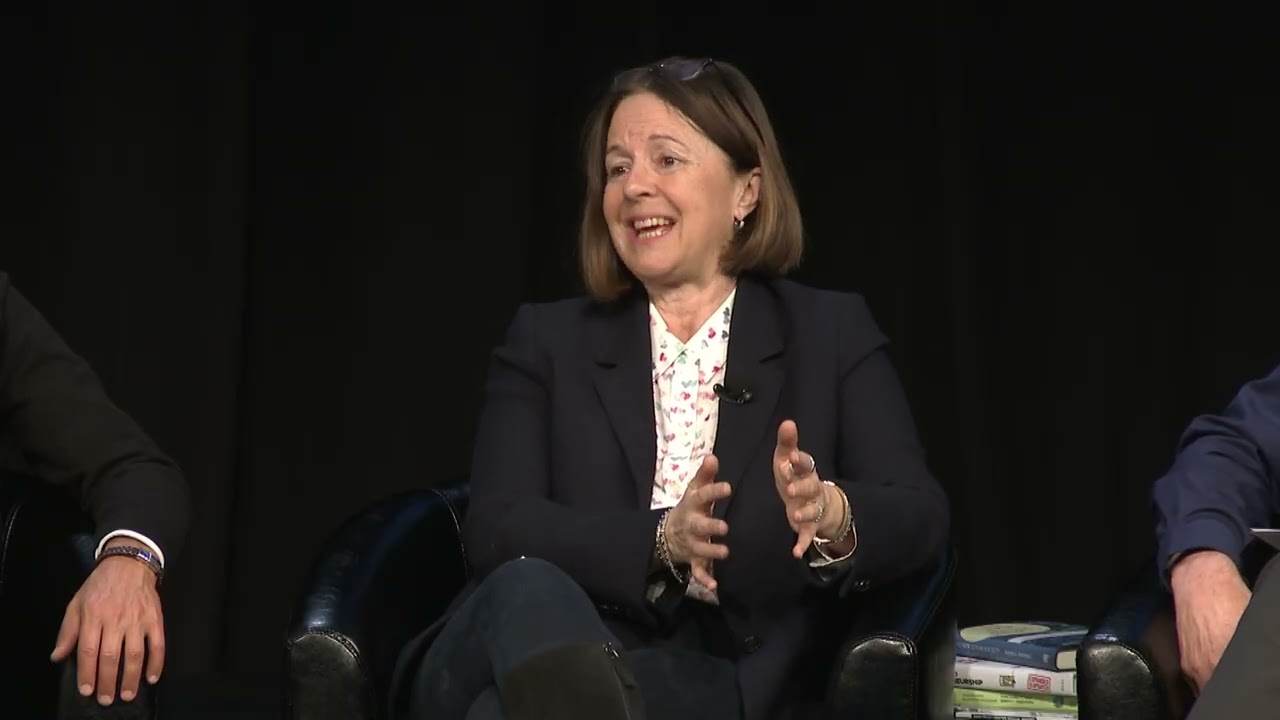
MIT Panel Unpacks the Future of SpaceTech Entrepreneurship
The "SpaceTech 2026 Panel: MIT’s Innovation Network" brought together leading minds from MIT to dissect the intricate world of deep tech entrepreneurship, particularly within the burgeoning space economy. The panelists emphasized that true innovation transcends mere invention, hinging instead on strategic commercialization and the strength of a diverse, adaptable team.
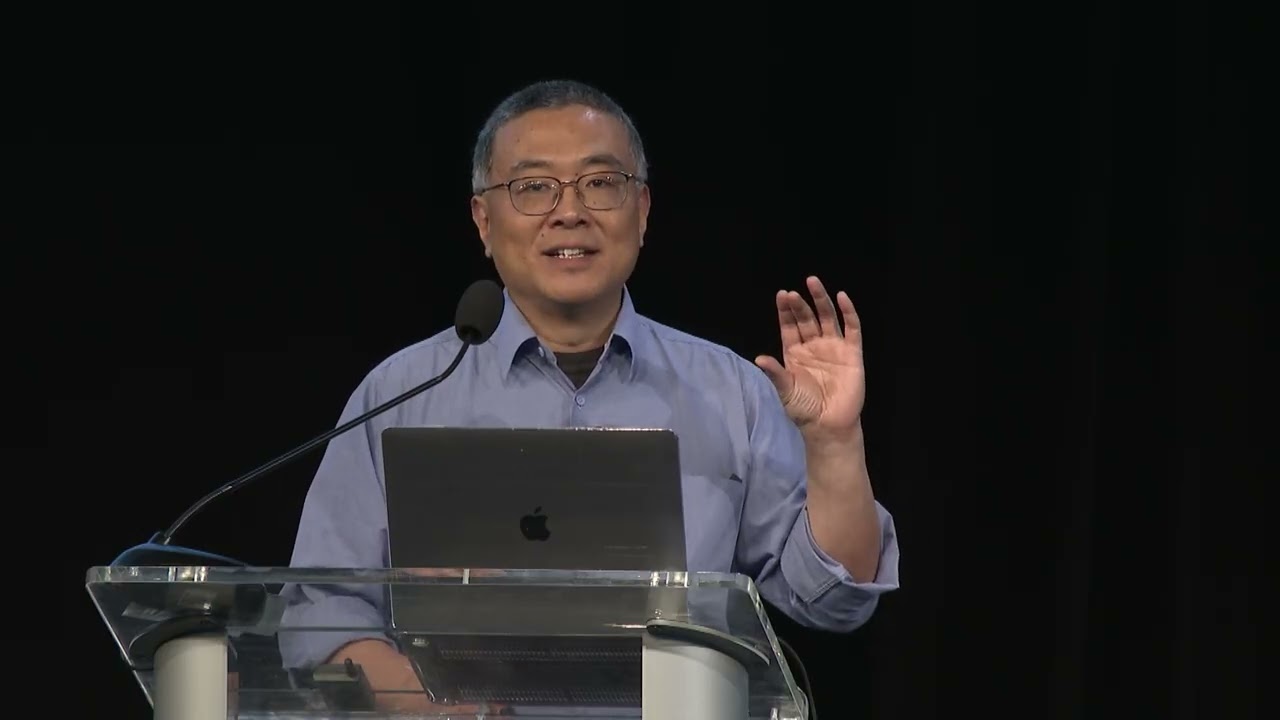
Unlocking the Secrets of LEO: Dr. Jianping Pan's Groundbreaking Research on Starlink and Next-Gen Connectivity
Dr. Jianping Pan, a distinguished Professor of Computer Science at the University of Victoria, presented a captivating overview of his team's extensive research into Low Earth Orbit (LEO) satellite networks, particularly Starlink. His talk at SpaceTech 2026 unveiled critical insights into network performance, user distribution, and the innovative applications poised to transform global connectivity.

Astropic Project: NASA's Photonic Chip Revolutionizes Exoplanet Detection
The quest to find life beyond Earth hinges on our ability to detect and characterize exoplanets, especially those resembling our own. Dr. Rachel Morgan of NASA's Astropic project is at the forefront of this challenge, developing a groundbreaking integrated photonic coronagraph that promises to make the search for habitable worlds more efficient and robust than ever before.

Revolutionizing Mars Navigation: How 3D Aero Capture Enables a Global GPS Network
As humanity sets its sights on deeper and more complex missions to Mars, the need for robust and scalable navigation systems becomes paramount. Current vision-based techniques, while effective for localized operations, falter in degraded environments and lack the global reach required for extensive exploration. This presents a critical challenge that Daniel Gochenaur and his team at the Engineering Systems Lab are addressing with a groundbreaking approach: three-dimensional aero capture.
Plasma Powering Mars: A Breakthrough in Space Resource Utilization
As humanity sets its sights on sustained missions to Mars, the challenge of transporting vital resources becomes paramount. Researchers are turning to innovative solutions, with plasma technology emerging as a promising method to transform the Martian environment itself into a source of life-sustaining consumables and rocket fuel.
Rethinking the Cosmos: How Damping Could Revolutionize Space Telescope Design
For decades, the design of space telescopes has largely followed principles established for their ground-based counterparts. However, as Carol Klingler highlights in her compelling lightning talk, this conventional wisdom may be holding back the next generation of space exploration. In a zero-gravity environment, the emphasis on structural stiffness, crucial for Earth-bound observatories, becomes a design constraint rather than a benefit.
Navigating the Unknown: How Visible-Thermal Fusion Illuminates Space's Darkest Corners
In the vast expanse of space, where orbital mechanics dictate rapid transitions between blinding sunlight and complete darkness, navigating around unknown objects presents a formidable challenge. Eric Elias, a master's student in aerospace controls, unveiled a groundbreaking solution at SpaceTech 2026: visible-thermal image fusion, a technology poised to revolutionize how we interact with space objects, even when they're shrouded in shadow.
Unlocking Lunar Riches: A New Cost Model for Space Resource Utilization
The dream of a thriving lunar economy is closer than ever, thanks to advancements in space resource utilization. Ireland Brown, a Draper Scholar and PhD student, unveiled a new cost estimation technique at SpaceTech 2026, demonstrating the profound commercial viability of producing oxygen on the Moon. Her research offers a critical framework for understanding and achieving profitability in future space endeavors.
MIT Alumni Propel Space Industry Forward: From Moon Rovers to Unjammable Networks
At the recent SpaceTech 2026 panel, a distinguished group of MIT alumni shared their groundbreaking work and visions for the future of space. From developing high-performance satellite computers to pioneering materials for lunar habitats, these entrepreneurs are not just dreaming big; they're actively building the infrastructure for humanity's expansion into the cosmos.
MIT's Space Systems Lab: Cultivating Generations of Space Innovation
The 'SpaceTech 2026 Panel: Space Systems Lab: Roots and Branches of Innovation' brought together distinguished alumni to delve into the profound legacy of MIT's Space Systems Laboratory (SSL). Moderated by Ali Dvec, a former PhD student of Dave Miller, the panel explored how the SSL's unique culture of technical ambition, hands-on experimentation, and education through building has shaped generations of students and researchers, propagating innovative ideas across industry, academia, and government.
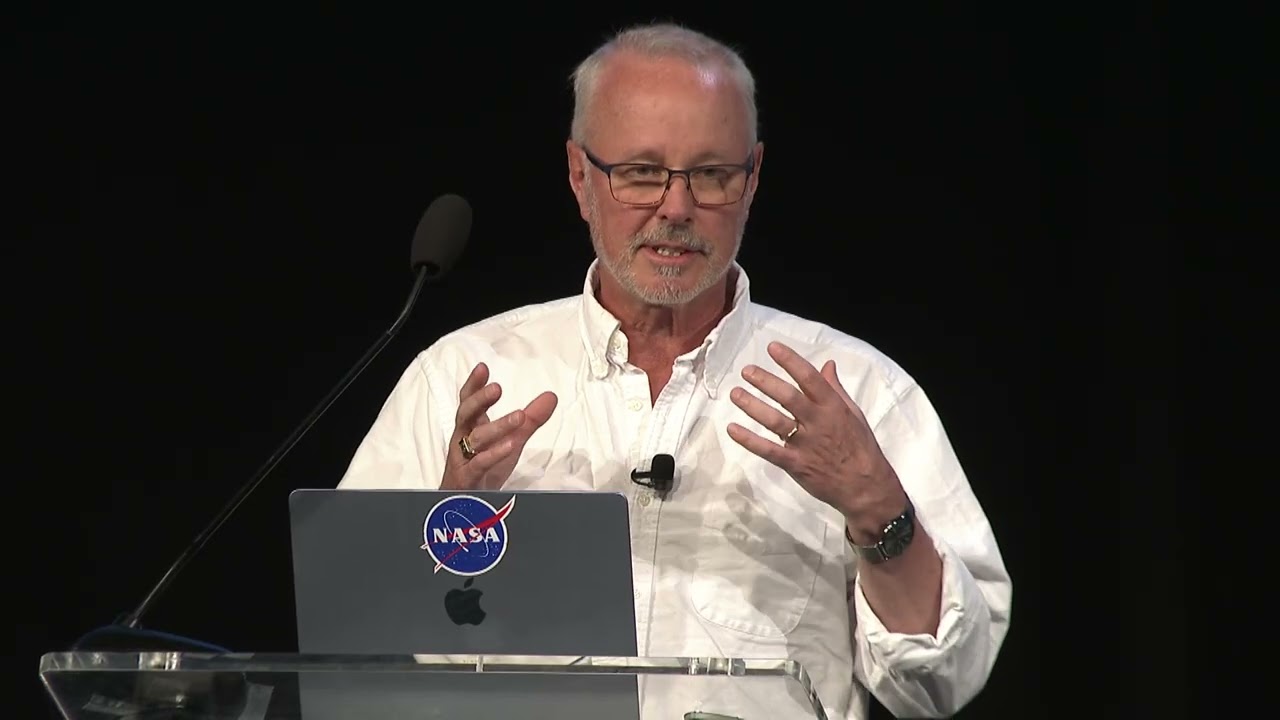
MIT's Space Systems Lab: 30 Years of Innovation, From Shuttle Experiments to Martian Rovers
Professor David Miller's keynote at SpaceTech 2026 offered a captivating retrospective on three decades of groundbreaking work at MIT's Space Systems Lab (SSL). From the early days of shuttle experiments to contributing to the James Webb Space Telescope and Mars rover landings, the SSL has consistently pushed the boundaries of aerospace engineering, often with students at the helm.
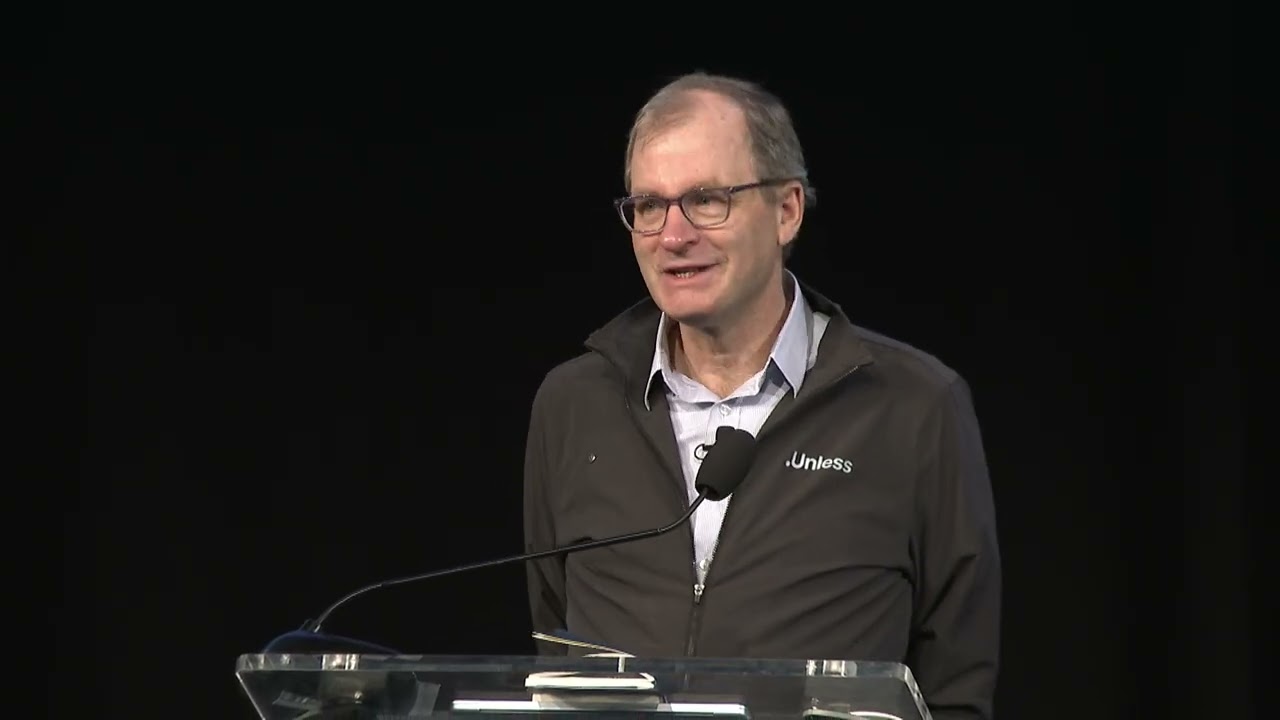
MIT at the Forefront: Charting the Course for Space Tech 2026 and Beyond
The Space Tech 2026 conference at MIT opened with an electrifying atmosphere, as Professors Julie Shah and David Mindell underscored the current golden age of space exploration and innovation. From humanity's furthest journey yet with Artemis 2 to the pervasive influence of aerospace engineering across diverse industries, the session highlighted MIT's critical role in shaping the future.