Space Innovation Ecosystem
Explores the collaborative environment fostering breakthroughs in space technology, including academic research, industry partnerships, and government initiatives. Sessions highlight open innovation models, technology transfer, and strategies for accelerating space-related R&D.
Viral Moments
19
No more alignment nightmares!
Defining career paths!
Beyond classroom limits!
Invention isn't enough!
Science vs. schedule!
Are you a space geek?
Undergrads in space!
SpaceX's hidden impact!
Find your space passion!
Ideas to industry!
No CubeSats then!
Hardware ventures are tough!
Traditional space is too slow!
Bold visionaries needed!
Space shuttle access!
Seed money for space
Canada's LEO network lab!
Lab to market!
Beyond 5-year funds
Key Quotes
4
“The real legacy of the SSL is not the hardware or the PhD thesis. It's the uncountable number of papers. It's all that intellectual bulk that got developed there that went off and spread all over the industry, not just landing rovers on Mars, but doing startups and all this other innovation.”
“The biggest thing I've learned while working on Rexus is really that that instruments like this and spacecraft like Osiris Rex are very very complex. There's a lot of dependencies, a lot of requirements, a lot of relationships, a lot of design decisions that all impact one another.”
“We need to make sure that we have an investment infrastructure in the United States and abroad that supports 14, 18, 21-year type IRRs. Uh or otherwise, we're just going to take great ideas and and and kill them off because we stifle from uh having enough capital early on.”
“Innovation equals invention times commercialization. Repeat in innovation something that creates impact for the world that makes money that provides positive return for a company value equals invention.”
Chapters
35
Articles
4
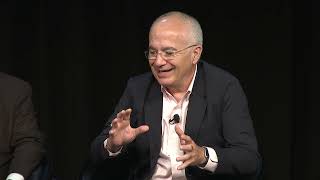
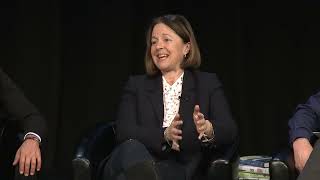
The 'SpaceTech 2026 Panel: Space Systems Lab: Roots and Branches of Innovation' brought together distinguished alumni to delve into the profound legacy of MIT's Space Systems Laboratory (SSL). Moderated by Ali Dvec, a former PhD student of Dave Miller, the panel explored how the SSL's unique culture of technical ambition, hands-on experimentation, and education through building has shaped generations of students and researchers, propagating innovative ideas across industry, academia, and government.
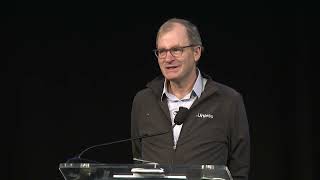
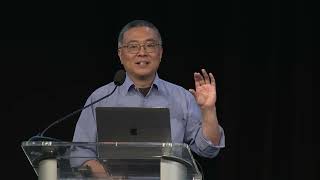
Professor David Miller's keynote at SpaceTech 2026 offered a captivating retrospective on three decades of groundbreaking work at MIT's Space Systems Lab (SSL). From the early days of shuttle experiments to contributing to the James Webb Space Telescope and Mars rover landings, the SSL has consistently pushed the boundaries of aerospace engineering, often with students at the helm.
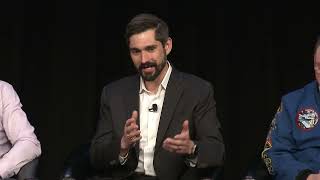
At the recent SpaceTech 2026 panel, a distinguished group of MIT alumni shared their groundbreaking work and visions for the future of space. From developing high-performance satellite computers to pioneering materials for lunar habitats, these entrepreneurs are not just dreaming big; they're actively building the infrastructure for humanity's expansion into the cosmos.
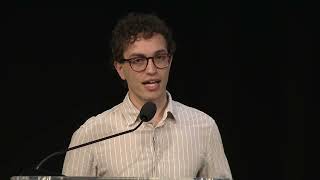
The "SpaceTech 2026 Panel: MIT’s Innovation Network" brought together leading minds from MIT to dissect the intricate world of deep tech entrepreneurship, particularly within the burgeoning space economy. The panelists emphasized that true innovation transcends mere invention, hinging instead on strategic commercialization and the strength of a diverse, adaptable team.
Sessions
9