
All Articles
Navigating the Digital Divide: Experts Debate AI's Role in Mental Health and Trauma Healing
As technology rapidly reshapes every sector, its impact on mental health and trauma healing presents a complex paradox. While digital tools promise unprecedented global access and personalized care, they also introduce new challenges, from data privacy to the very nature of human connection in therapy.
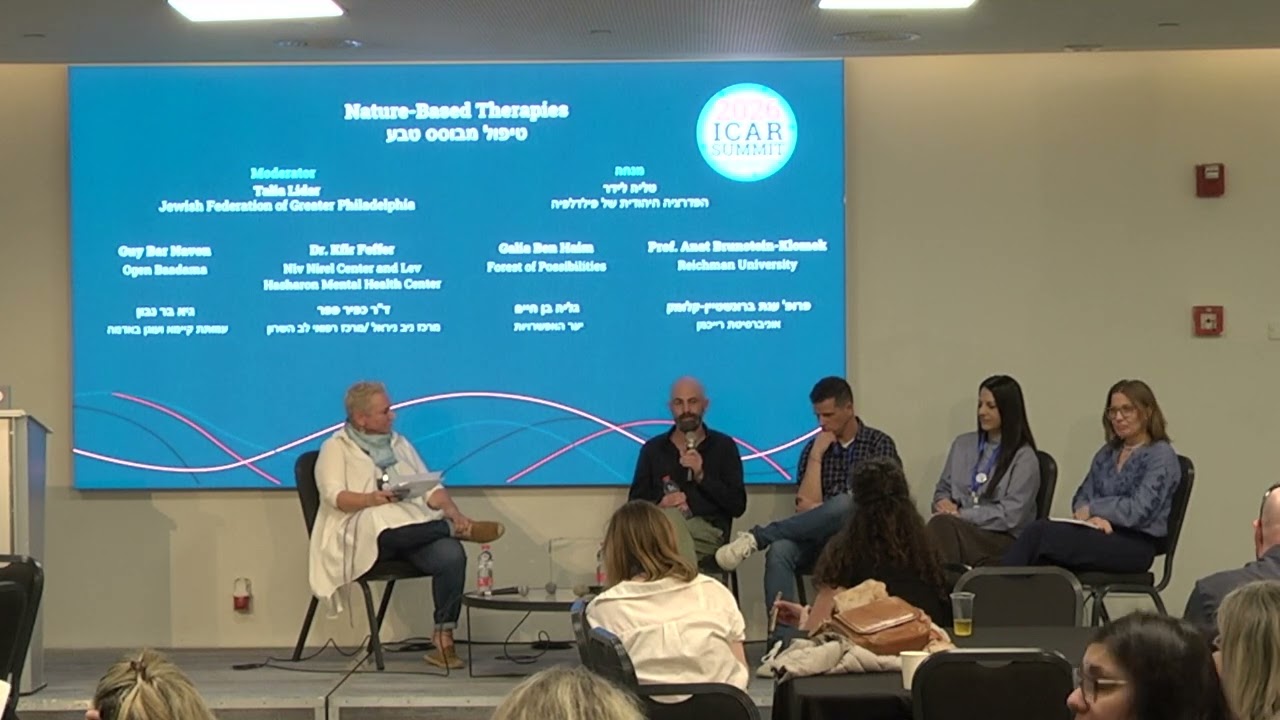
Nature's Prescription: How Outdoor Therapies Are Revolutionizing Trauma Recovery Post-October 7
In the wake of the October 7th attacks, Israel has seen an exponential rise in nature-based therapies, offering vital refuge and support to soldiers, families, and communities grappling with profound trauma. This burgeoning field is demonstrating powerful mechanisms for healing, often complementing or enhancing traditional clinical approaches.
Israel's Silent Epidemic: A Nation Grapples with Escalating Mental Health Crisis Post-Conflict
As Israel navigates the aftermath of prolonged conflict, a panel of leading experts reveals a profound and escalating mental health crisis, characterized by a dramatic surge in conditions, systemic vulnerabilities, and a collective trauma demanding innovative solutions.
Beyond the Clinic: Innovative Models Reshaping Trauma and Mental Health Support
In a world grappling with unprecedented mental health challenges and widespread trauma, particularly in post-conflict regions, innovative and often unconventional approaches are emerging as vital components of healing. This session showcased three pioneering initiatives that are redefining resilience, emphasizing human connection, and demanding systemic recognition for their profound impact.
Beyond Resilience: Summit Charts New Course for Trauma Healing and Mental Health in Israel
The recent summit on mental health and trauma healing concluded with a powerful call to action, emphasizing the need for innovative approaches, collaborative research, and a deep understanding of community-specific challenges. Speakers highlighted a shift in perspective from mere resilience to 'fluidity' in navigating trauma, alongside critical discussions on funding, stigma, and underserved populations.
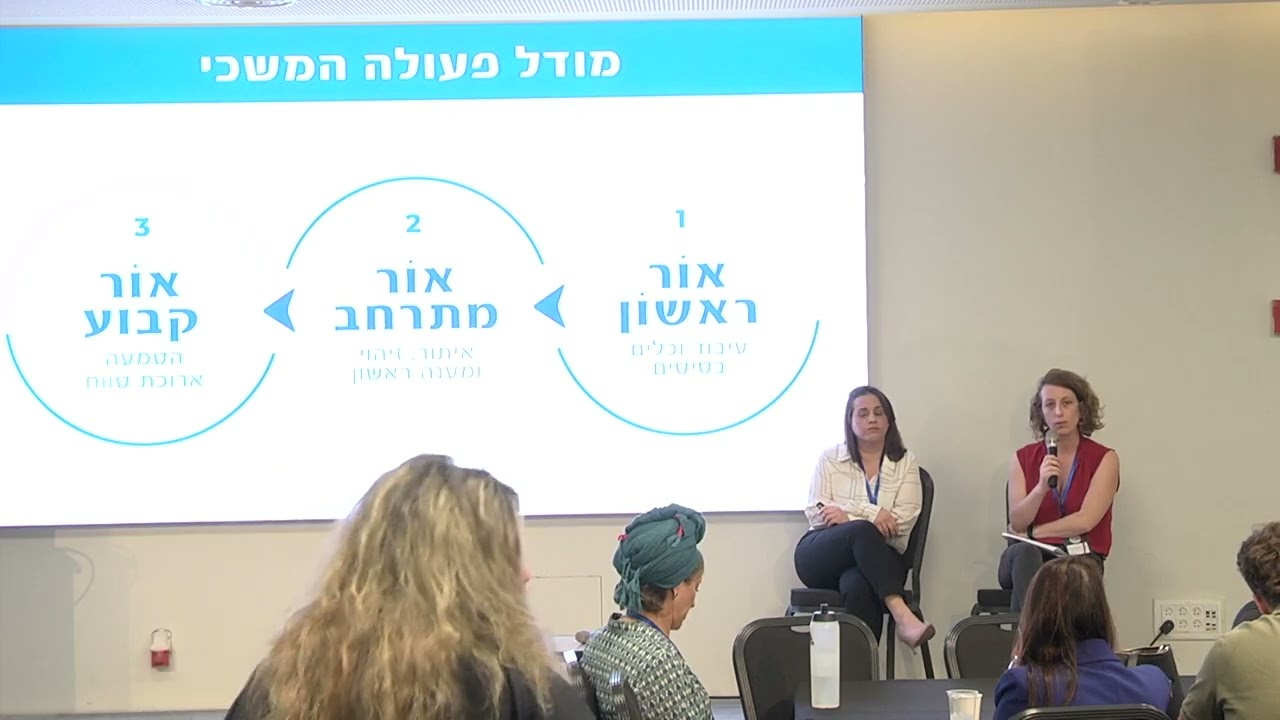
Forging Resilience: How Local Partnerships Are Revolutionizing Mental Health Support
In a landscape where mental health needs are escalating, particularly in vulnerable communities, a recent conference showcase highlighted the transformative power of multi-sectoral partnerships in building local capacity and delivering innovative solutions.
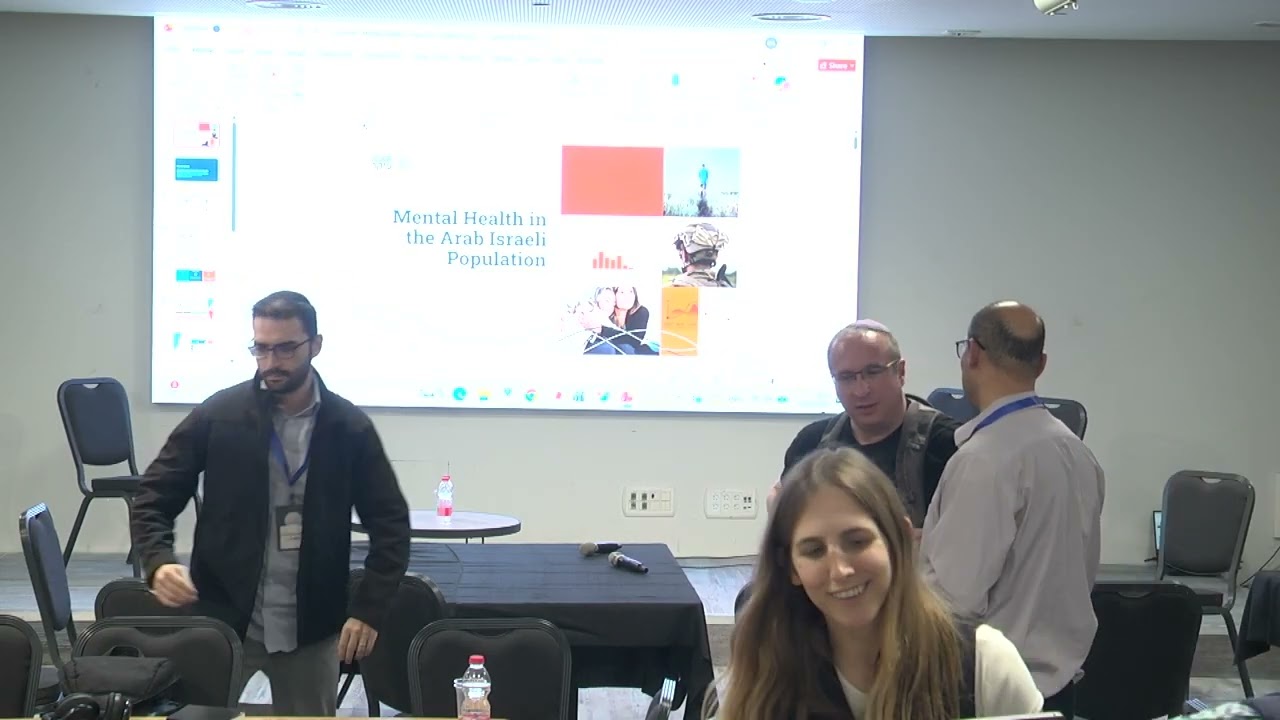
Igniting Change: A New Era for Mental Health in Arab-Israeli Communities
A recent roundtable discussion has set the stage for a transformative approach to mental health and trauma support within Arab-Israeli communities, challenging existing norms and proposing actionable solutions.
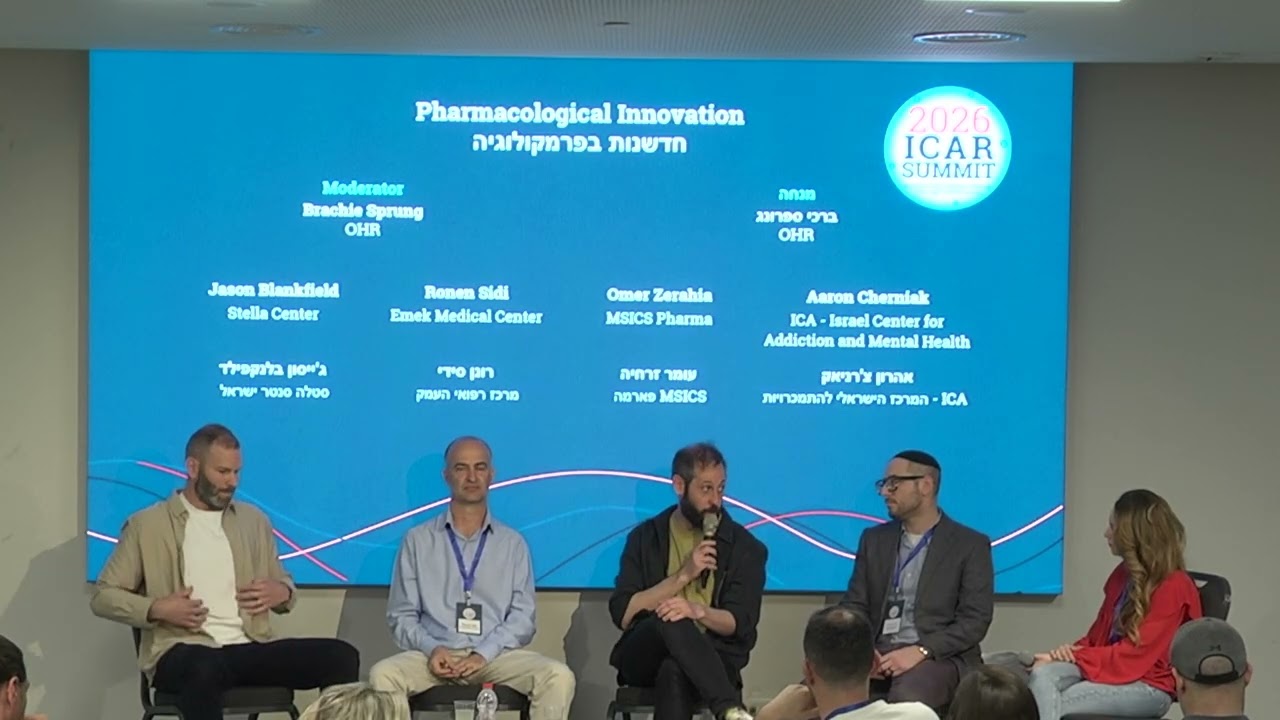
Israel Leads Global Charge in Psychedelic and Pharmacological Trauma Treatments
A paradigm shift is underway in trauma treatment, as experts in Israel unveil groundbreaking pharmacological and psychedelic-assisted therapies. Moving beyond mere symptom management, these innovations are offering profound healing, enabling patients to reclaim their lives after years of suffering.
Global Experts Advocate for New Paradigms in Trauma Healing: Beyond Resilience to Systemic Solutions
As the world grapples with escalating collective and intergenerational traumas, a panel of international and local experts convened to challenge conventional wisdom, urging a re-evaluation of the language and frameworks used in trauma healing.

Brief Interjection Sparks Curiosity at Conference Session
A recent conference clip, lasting only a few seconds, has captured attention due to an unexpected and highly personal interjection from a speaker.

Israel Grapples with Trauma Epidemic: Experts Call for Unified National Research Agenda
As Israel navigates the profound and ongoing trauma following recent events, mental health leaders are issuing an urgent call to action: establish a unified national research agenda. This strategic shift is deemed critical to transform vast, yet fragmented, data into actionable insights for effective treatment and societal resilience.
Nova Tribe Foundation Navigates 'Golden Time' for Healing Amidst Unprecedented Challenges
The Nova Tribe Community Foundation is at the forefront of an unprecedented rehabilitation effort, transforming a community forged in tragedy into a beacon of hope and healing. As survivors grapple with the aftermath of the Nova festival massacre, the foundation identifies a critical 'golden time' for intervention and support.
Beyond the Mind: How Body-Based Practices Are Revolutionizing Trauma Healing
A recent conference session delved into the profound connection between our physical bodies and emotional well-being, highlighting innovative approaches to mindfulness and trauma recovery.
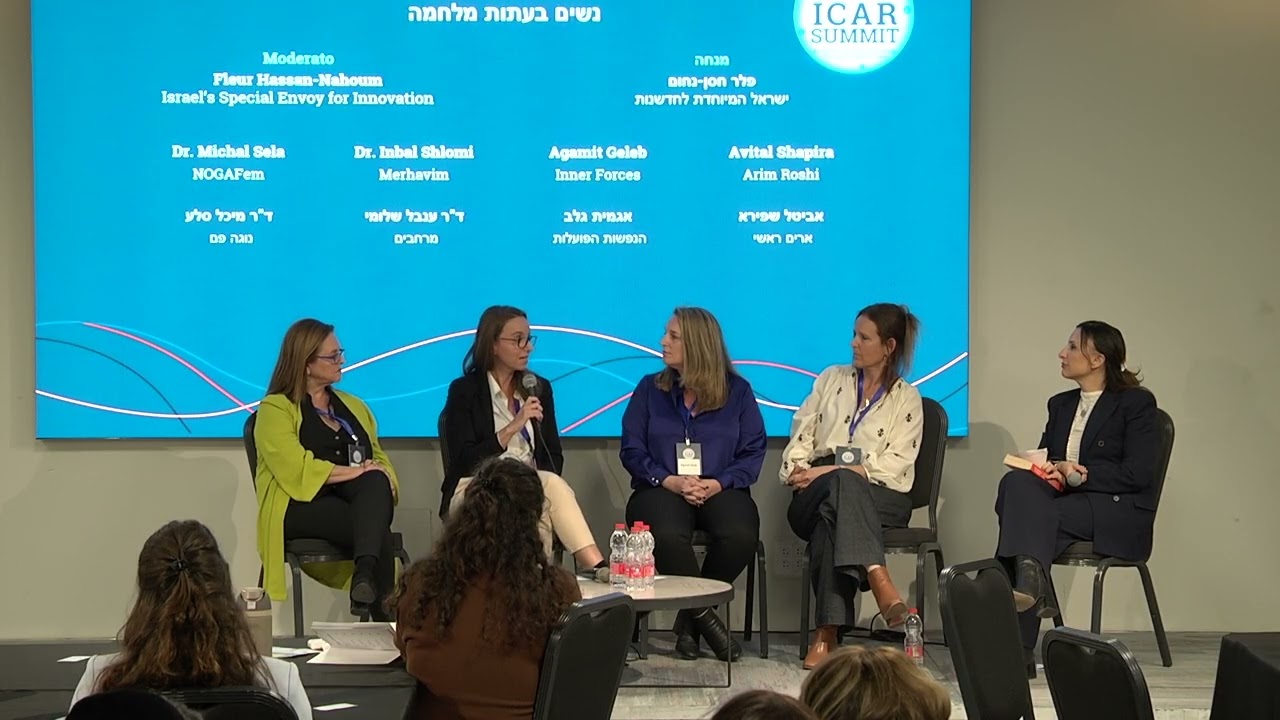
Unseen Scars: How War's Trauma Disproportionately Affects Women and the Fight for Gender-Specific Care
A recent conference panel shed light on the profound and distinct ways women experience trauma in wartime, challenging conventional understandings of PTSD and mental health support. Experts highlighted critical gaps in care and the urgent need for tailored, gender-sensitive approaches.
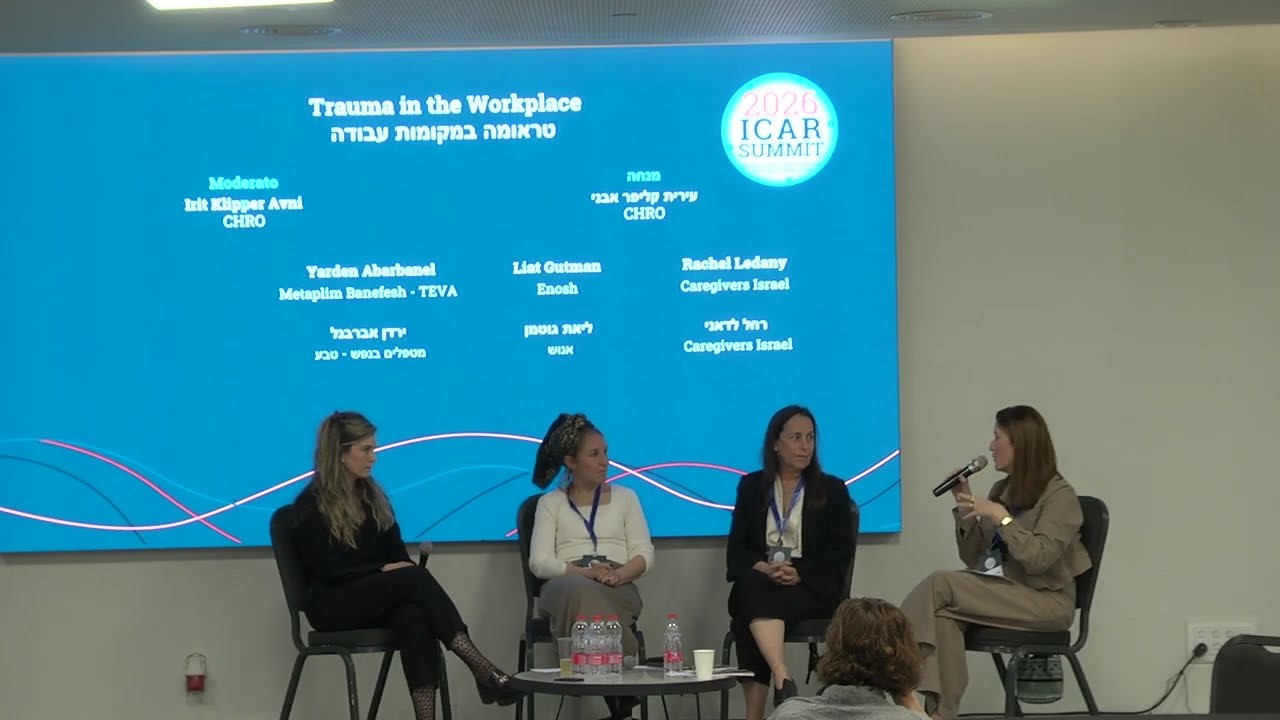
Beyond the Battlefield: How Israeli Workplaces Tackle Trauma and Build Resilience
In the wake of recent national crises and ongoing societal challenges, Israeli workplaces are confronting the pervasive issue of trauma, not just among those directly affected, but across the entire workforce. A recent panel discussion highlighted innovative approaches to foster resilience and provide essential support.
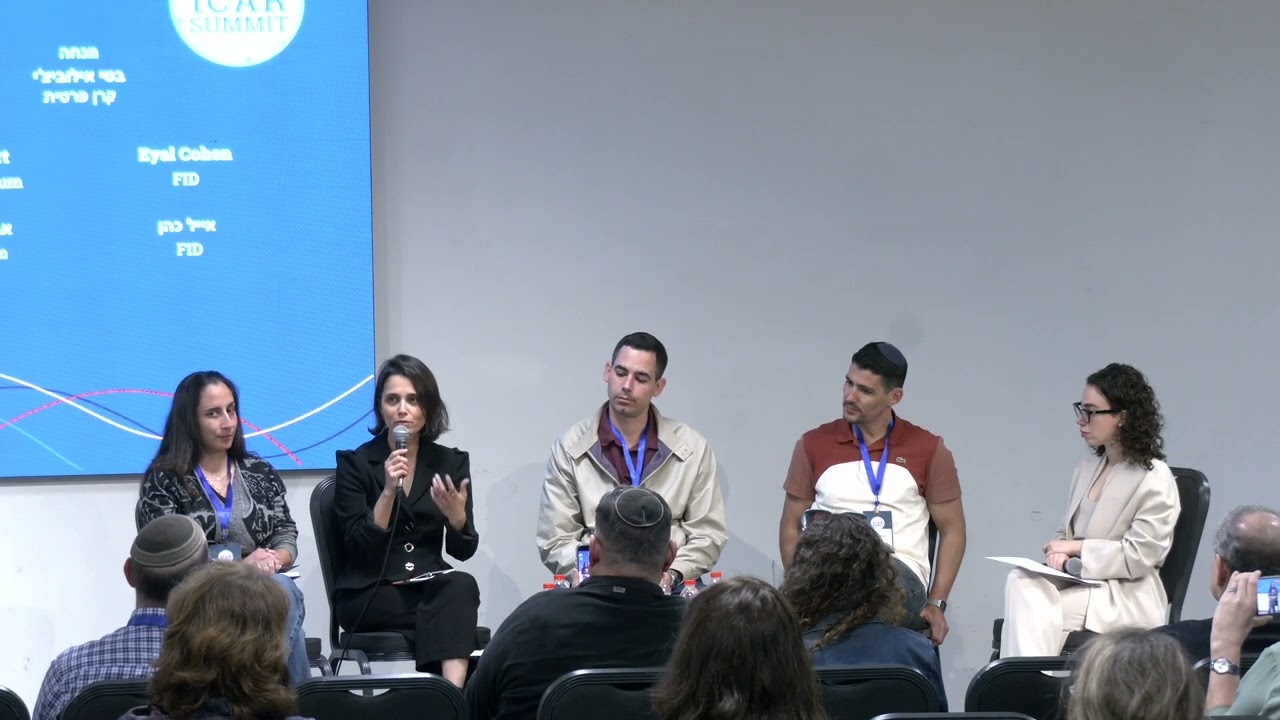
The Silent Battle: Unmasking the Mental Health Crisis Among Israel's Reservists and Their Families
While the immediate intensity of the conflict may ebb and flow, the profound mental health crisis among Israel's reservists and their families is just beginning. A recent panel discussion illuminated the staggering long-term costs of prolonged service, revealing a societal challenge that demands urgent, comprehensive attention.
Unseen Scars: Experts Unpack the Silent Mental Health Crisis Among Children and Teens
A recent panel of leading mental health and child development experts convened to shed light on the escalating mental health crisis affecting children and teens, revealing a landscape where silent struggles manifest in unexpected ways, from regressive behaviors in toddlers to dangerous substance abuse among adolescents.
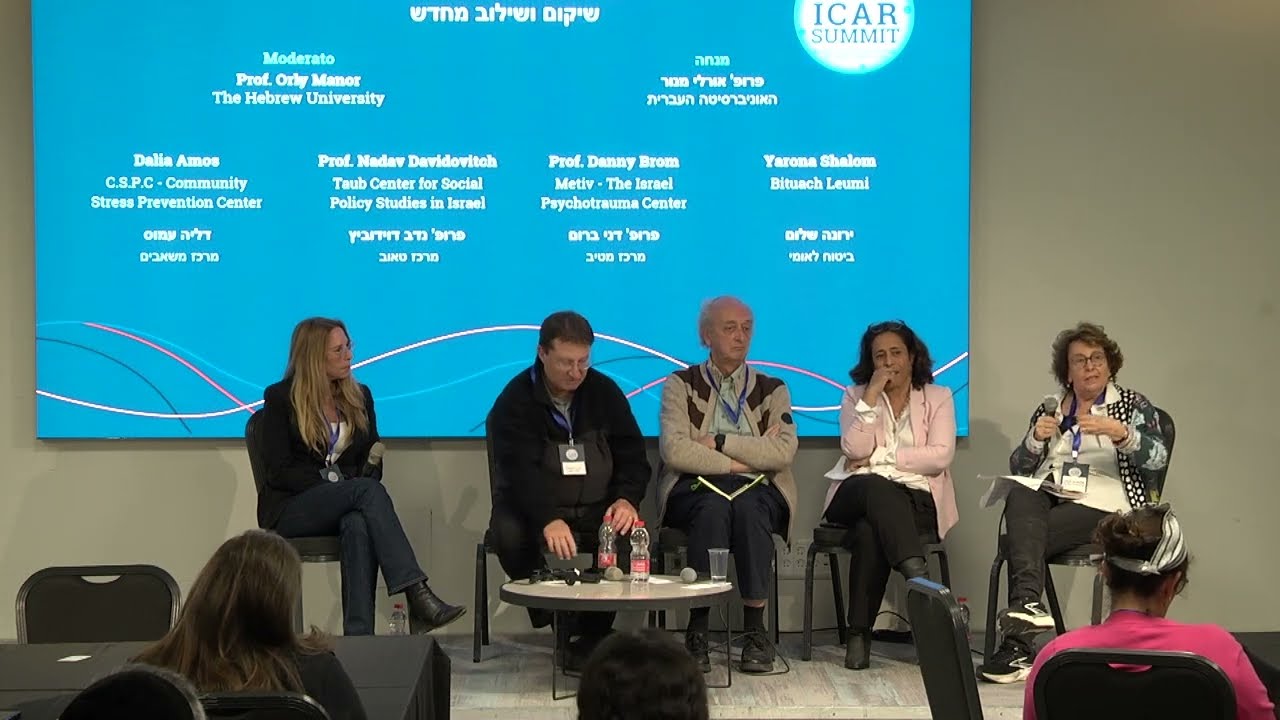
Reimagining Recovery: Experts Demand Integrated Care and Systemic Overhaul for Trauma Survivors
A recent conference session on rehabilitation and reintegration brought to light critical deficiencies in the current approach to long-term recovery for trauma survivors, emphasizing the urgent need for a holistic, integrated system.
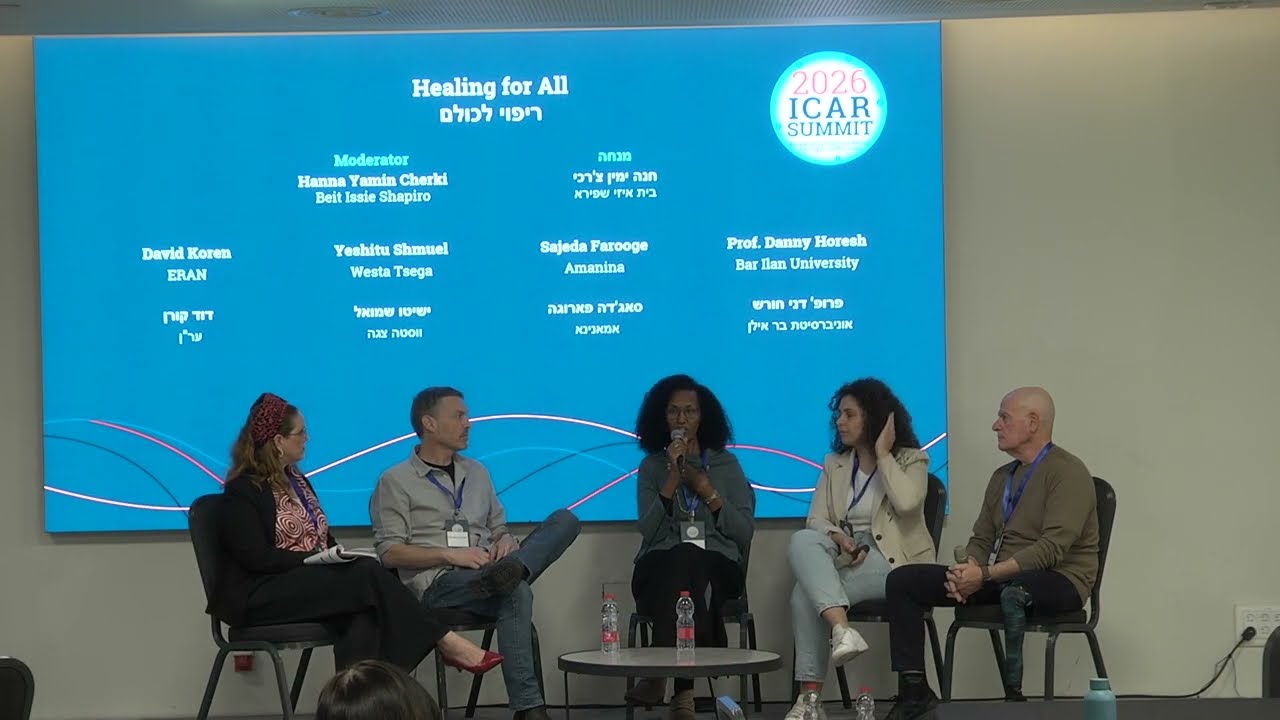
Beyond the 'WEIRD': Why Standard Trauma Care Fails Diverse Populations
A recent conference panel exposed the critical shortcomings of current trauma care, revealing how a 'one-size-fits-all' approach systemically neglects and misdiagnoses vulnerable populations, including neurodivergent individuals and the Ethiopian and Arab communities.
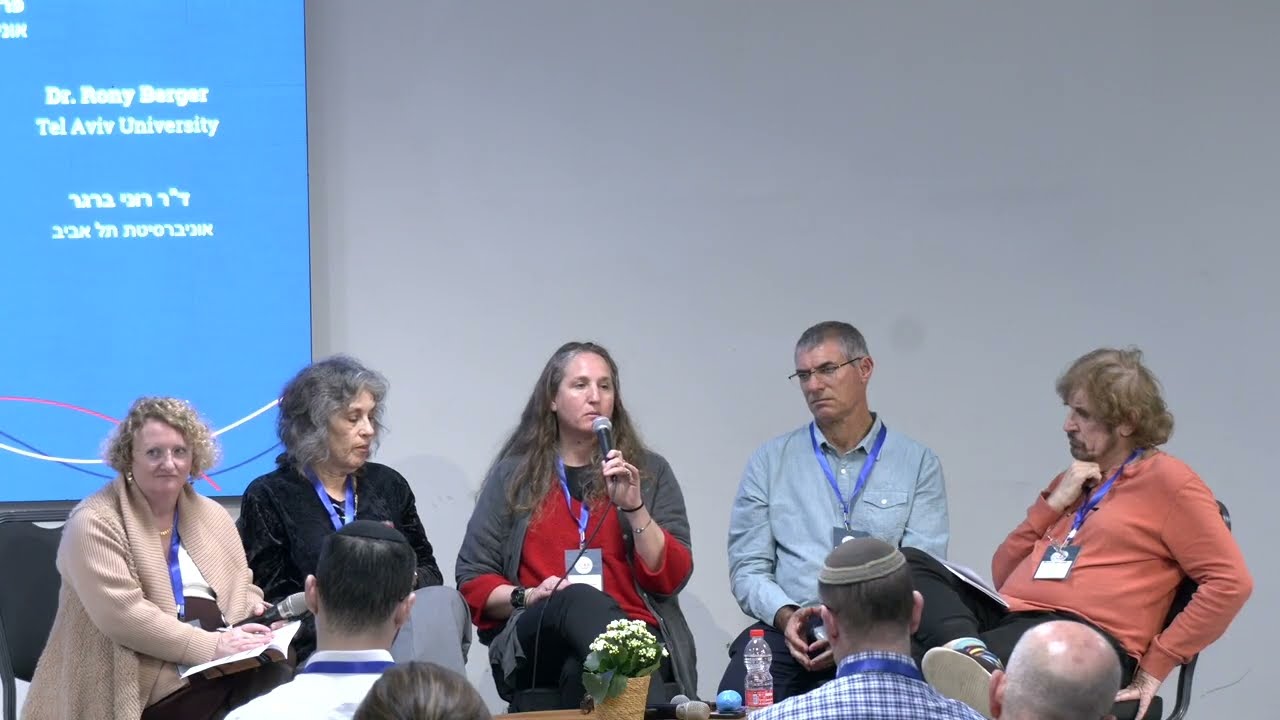
Beyond the Battlefield: Building Trauma-Informed Systems for a Resilient Society
In a compelling discussion, a panel of leading experts converged on a critical challenge: integrating trauma-informed approaches into the fabric of society. From educational institutions to corporate offices and healthcare systems, the consensus was clear – understanding and responding to trauma is no longer a niche concern but a fundamental requirement for societal well-being.

Beyond the Couch: How Psychoeducation is Reshaping Israel's Mental Health Landscape
A recent panel discussion illuminated the critical shift in Israel's mental health strategy, moving beyond traditional treatment to embrace psychoeducation and public awareness as foundational pillars for societal resilience.
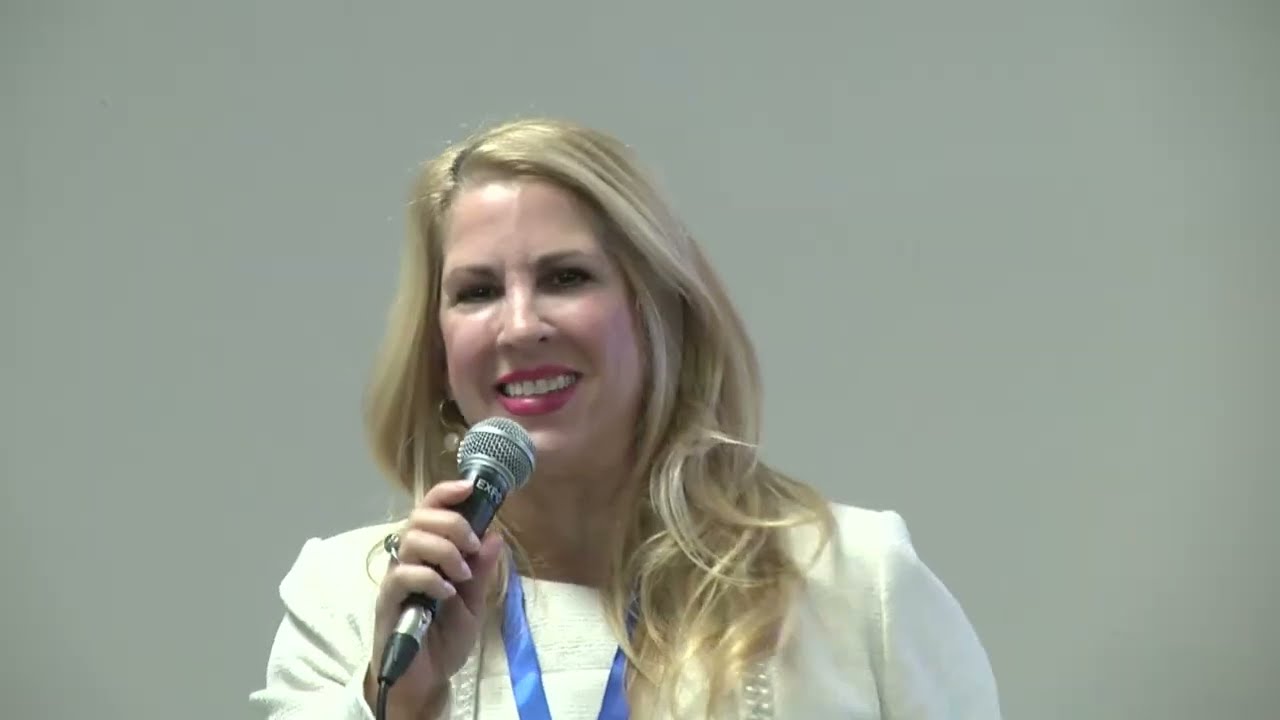
Israel Launches Groundbreaking National Registry to Track Long-Term Impact of October 7th
In the wake of the devastating October 7th attacks and the ongoing "Iron Swords" War, Israel is embarking on a monumental effort to understand and address the long-term societal and psychological impacts. The newly launched October 7th Registry, spearheaded by Professor Michal Grinstein-Weiss of the Myers-JDC-Brookdale Institute, represents a national commitment to healing and resilience.
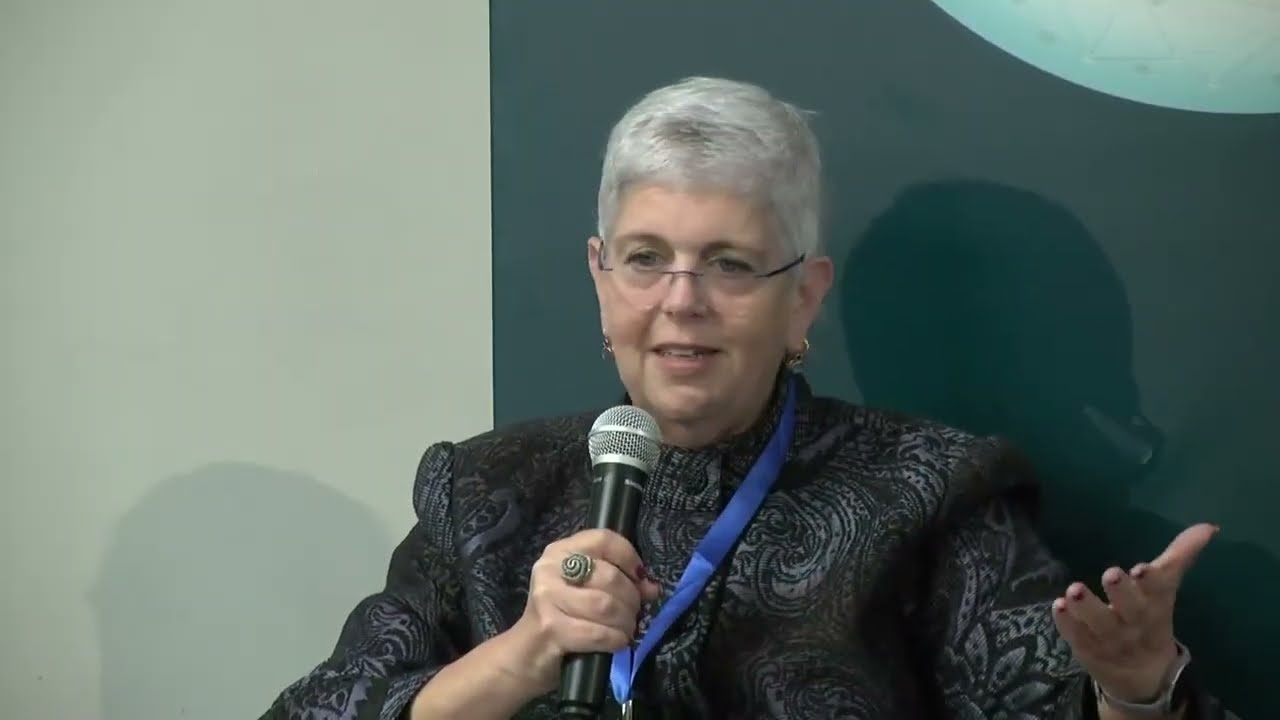
Israel's Mental Health Recovery: A Nation Under Chronic Stress Grapples with Systemic Challenges
As Israel navigates a prolonged period of chronic stress and conflict, a panel of leading mental health and welfare experts reveals a complex and challenging recovery landscape. While some show remarkable resilience, alarming statistics on addiction and youth mental health underscore the urgent need for a unified, holistic national strategy.
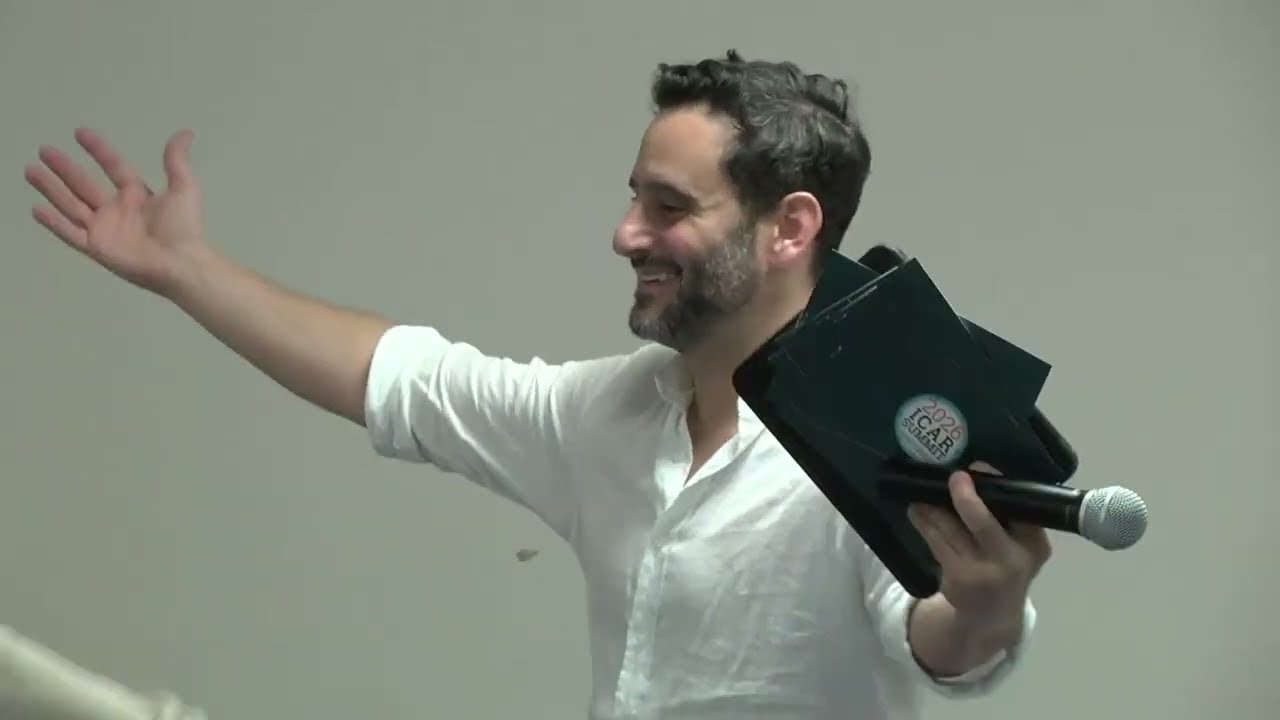
Israel Grapples with National Trauma: A Dual Path to Healing Emerges
In the aftermath of the October 7th events, Israel faces an unprecedented mental health crisis, prompting a critical discussion among leaders and experts on how to accelerate national healing through a dual approach of immediate intervention and sustainable, long-term recovery.
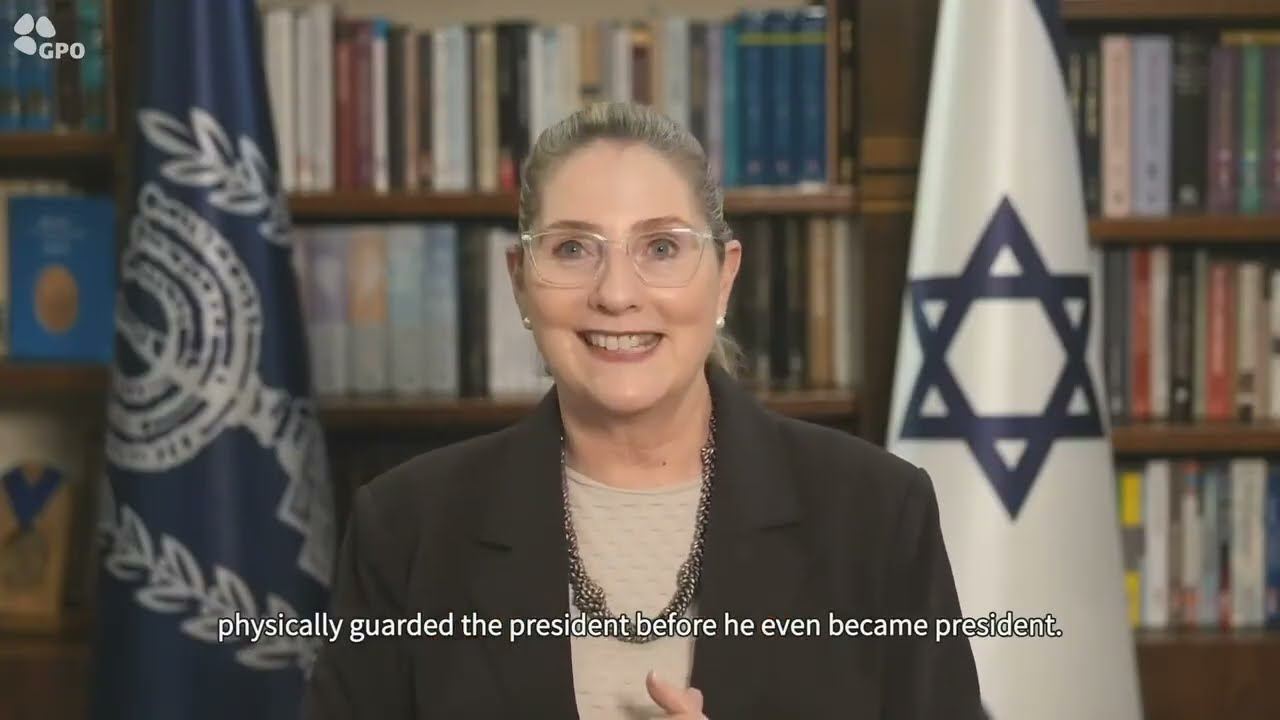
Israel's Second Annual Mental Health Conference: A United Front Against Collective Trauma
Tel Aviv played host to the second annual National Mental Health Conference, organized by Collective Ikar, bringing together an unprecedented coalition of experts, policymakers, and community leaders. The overarching goal: to forge a unified strategy and accelerate the healing of collective trauma in Israel.
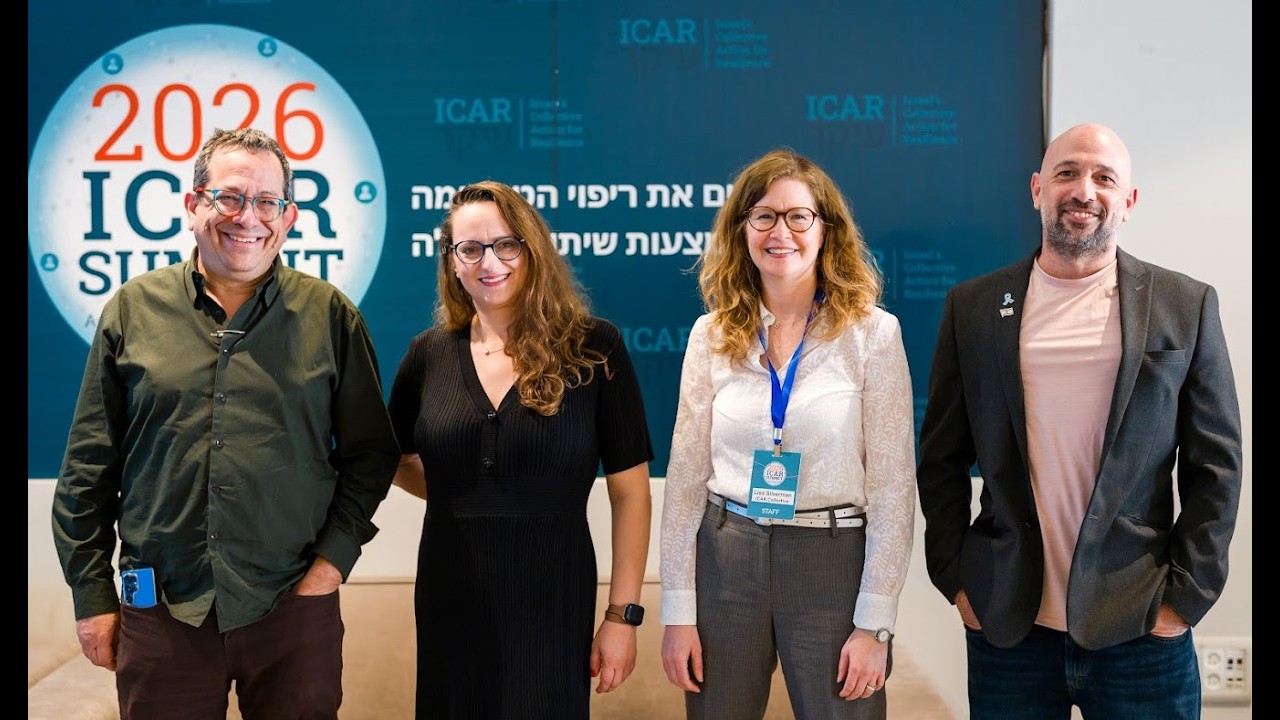
Israel's Mental Health System: A Year in Review Reveals Fragmentation, Urgent Need for Systemic Change
One year after its inception, the Collective organization presented a stark, yet hopeful, review of Israel's mental health landscape, highlighting a fragmented system grappling with an unprecedented surge in trauma and a critical shortage of resources, while simultaneously unveiling a strategic blueprint for national healing.